

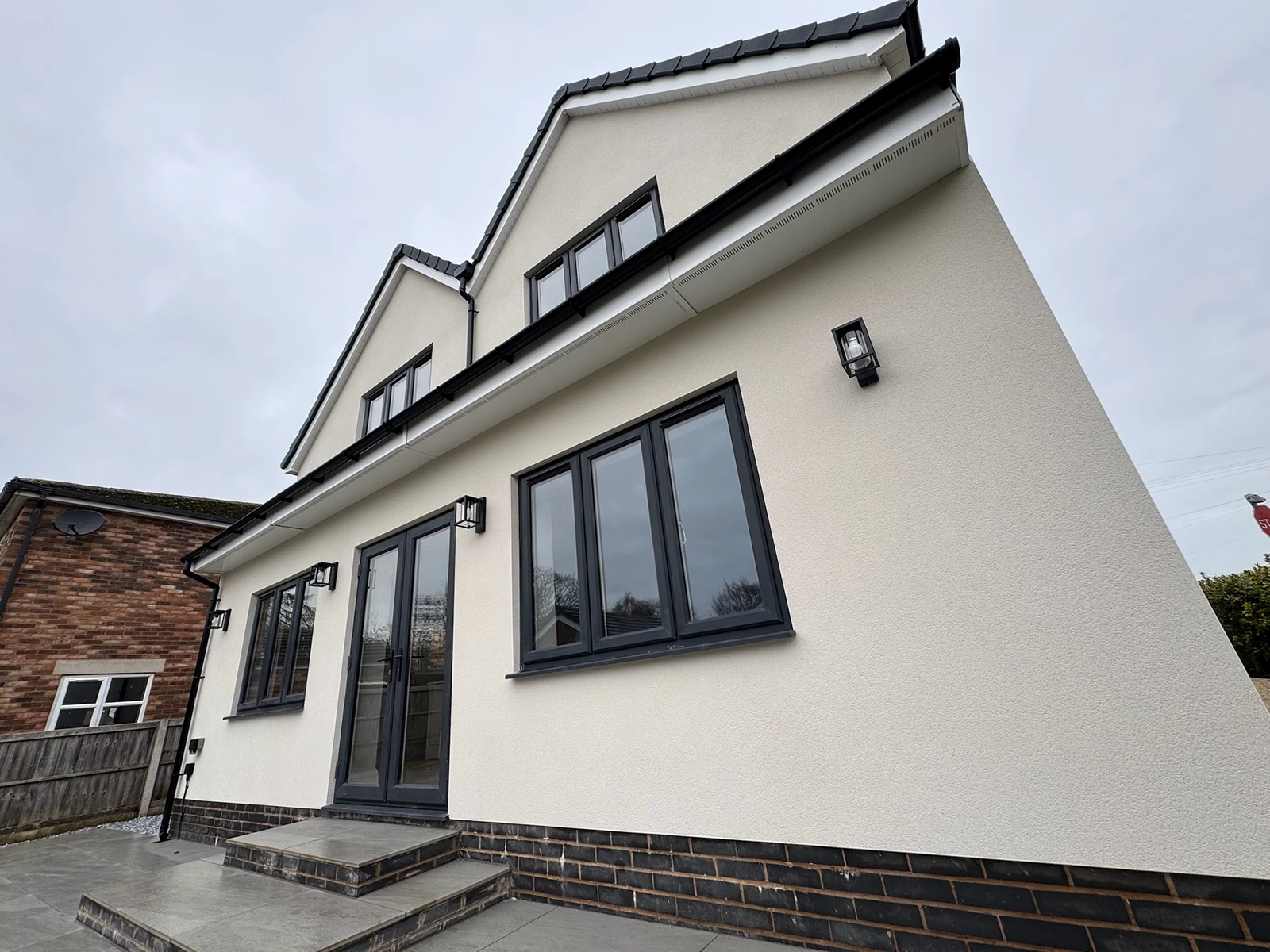
Eco-friendly rendering and plastering are rapidly becoming one of the most popular choices for homeowners across the UK, as more people look for sustainable, energy-efficient, and healthier ways to improve their properties. Modern living is no longer just about aesthetics; it’s about creating spaces that perform well, reduce environmental impact, and support overall wellbeing. As a result, traditional sand and cement systems are increasingly being replaced with advanced, breathable alternatives that offer long-term benefits.
At the heart of eco-friendly rendering and plastering is the use of natural or low-impact materials such as lime, clay, and modern silicone-based systems. These materials are designed to work with the building rather than against it. Unlike traditional renders, which can trap moisture within walls, breathable systems allow air and moisture to pass through naturally. This is particularly important in the UK climate, where damp and condensation are common issues, especially in older or poorly ventilated properties.
One of the biggest advantages of breathable render and plaster is its ability to significantly reduce damp problems. By allowing moisture to escape rather than become trapped, these systems help to prevent mould growth, peeling paint, and structural damage over time. This creates a healthier indoor environment, which is especially beneficial for families, children, and anyone with allergies or respiratory conditions. Improved air quality can make a noticeable difference in everyday comfort, making eco-friendly plastering a smart choice beyond just visual appeal.
Energy efficiency is another major factor driving the rise in eco-friendly rendering solutions. Many modern systems are designed to work alongside external wall insulation, helping to regulate internal temperatures more effectively. In winter, they help retain heat within the property, reducing the need for constant heating. In summer, they help keep interiors cooler by preventing excessive heat absorption. With energy prices continuing to rise across the UK, homeowners are increasingly turning to these solutions as a way to reduce monthly bills while improving overall comfort.
Aesthetic appeal is also a key reason why eco-friendly rendering and plastering have grown in popularity. Today’s homeowners want finishes that not only perform well but also look exceptional. Breathable renders can provide smooth, contemporary finishes for external walls, giving properties a clean and modern appearance. Internally, materials like clay plaster and polished plaster offer a unique, textured look that adds character and depth to any room. These finishes are available in a wide range of colours and styles, allowing for complete design flexibility.
For those considering rendering in Manchester or rendering in Liverpool, eco-friendly options are particularly well suited to the local environment. Both cities experience a mix of wet weather and fluctuating temperatures, making breathable systems ideal for protecting properties from moisture-related issues. Whether it’s a traditional terraced house in Liverpool or a modern home in Manchester, eco-friendly rendering can enhance both performance and appearance while ensuring long-lasting durability.
Among the most popular eco-friendly options is lime render, a material that has been used for centuries and remains highly effective today. Lime render is naturally breathable and flexible, making it ideal for older properties that need to manage moisture without causing damage to the structure. It also has natural antibacterial properties, which help prevent mould growth. Another widely used option is silicone render, which combines breathability with excellent weather resistance. It is highly durable, low maintenance, and resistant to cracking, making it a practical choice for modern homes.
Clay plaster is also gaining popularity for interior applications. Known for its natural appearance and ability to regulate humidity, clay plaster creates a warm and inviting atmosphere within the home. It absorbs excess moisture when humidity levels are high and releases it when the air becomes dry, helping to maintain a balanced indoor climate. This not only improves comfort but also contributes to better air quality throughout the property.
While eco-friendly rendering and plastering can sometimes involve a slightly higher upfront cost compared to traditional methods, the long-term benefits often outweigh the initial investment. Reduced maintenance, improved energy efficiency, and longer-lasting finishes all contribute to better value over time. Homeowners can save money on heating and repair costs while also increasing the overall value of their property.
Another important factor to consider is sustainability. Many eco-friendly materials have a lower carbon footprint compared to traditional cement-based products. Lime and clay, for example, require less energy to produce and are often sourced from natural, renewable resources. By choosing these materials, homeowners can reduce their environmental impact while still achieving a high-quality finish.
In addition, eco-friendly systems are often more adaptable to different property types and styles. Whether it’s a heritage building requiring careful restoration or a new-build property looking for a modern finish, there are solutions available to suit every need. Professional application is key to ensuring the best results, as experienced tradespeople understand how to correctly apply these materials for maximum performance and longevity.
As awareness around sustainability continues to grow, eco-friendly rendering and plastering are no longer seen as niche options. They are quickly becoming the standard choice for homeowners who want to future-proof their properties. The combination of improved performance, reduced environmental impact, and enhanced aesthetics makes these systems an attractive option for a wide range of projects.
In summary, eco-friendly rendering and plastering offer a modern solution to many of the challenges faced by UK homeowners. From reducing damp and improving air quality to increasing energy efficiency and enhancing visual appeal, the benefits are clear. Whether you are planning rendering in Manchester or rendering in Liverpool, choosing sustainable materials can transform your property into a healthier, more efficient, and visually appealing space. As the industry continues to evolve, these solutions are set to play an increasingly important role in the future of home improvement across the UK.